In Part 1, we saw what the NovaJet 3500 is and why it matters:
a screen recycling machine that uses high-pressure water instead of strong chemicals.
Now, let’s answer the next big question:
If mills have been using chemicals for years, why are they changing to water-based recycling?
We’ll keep it simple and practical.
The Old Way: Acid-Based Screen Recycling
For many years, rotary screens were recycled using acidic chemical mixtures.
Usually, this meant:
- Strong acids (like chromic and chloric acid)
- Often mixed with phenols
- Kept in open or semi-open tanks
These mixtures are highly corrosive and can be harmful for health.
What This Meant in Daily Work
In real life, for operators and supervisors, the old method meant:
- Working around strong fumes and smells
- Risk of skin burns, eye irritation and breathing issues
- Needing heavy safety gear just to do basic stripping work
- Stress about spills, splashes and accidental contact
It was not just uncomfortable – it was risky.
Hidden Cost: Screens, Environment and Compliance
At first glance, acid stripping can look “cheap” and familiar. But there are hidden costs:
1.Damage to Screens
Acid doesn’t stop at the emulsion layer. Over time, it also attacks the nickel screen itself:
- Screens become thin and weak
- They are more likely to dent, deform or tear
- You need to buy new screens more often
So the “cheap” method actually increases your cost per screen in the long run.
2.Environmental Burden
Used chemical baths cannot just be thrown away:
- They need careful treatment before disposal
- Any mistake can cause serious environmental damage
- Audits and inspections become more stressful
Many of these chemicals are now restricted or banned in stricter markets, especially in Europe. Large international buyers are also pushing suppliers to move away from such hazardous substances.
3.Handling, Storage and Safety
With acids and phenols, you also pay in other ways:
- Extra work to store, label and handle the chemicals
- Regular purchase and mixing of new baths
- Cost of protective gear, ventilation and emergency measures
- Risk of accidents, which can stop production and hurt people
All of this adds to the true cost of the old method – even if the chemicals themselves look cheap on paper.
The NovaJet 3500 Way: Clean, High-Pressure Water
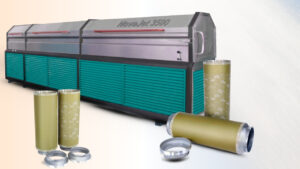
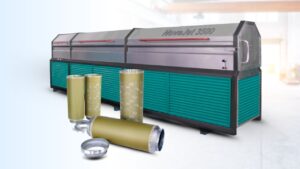
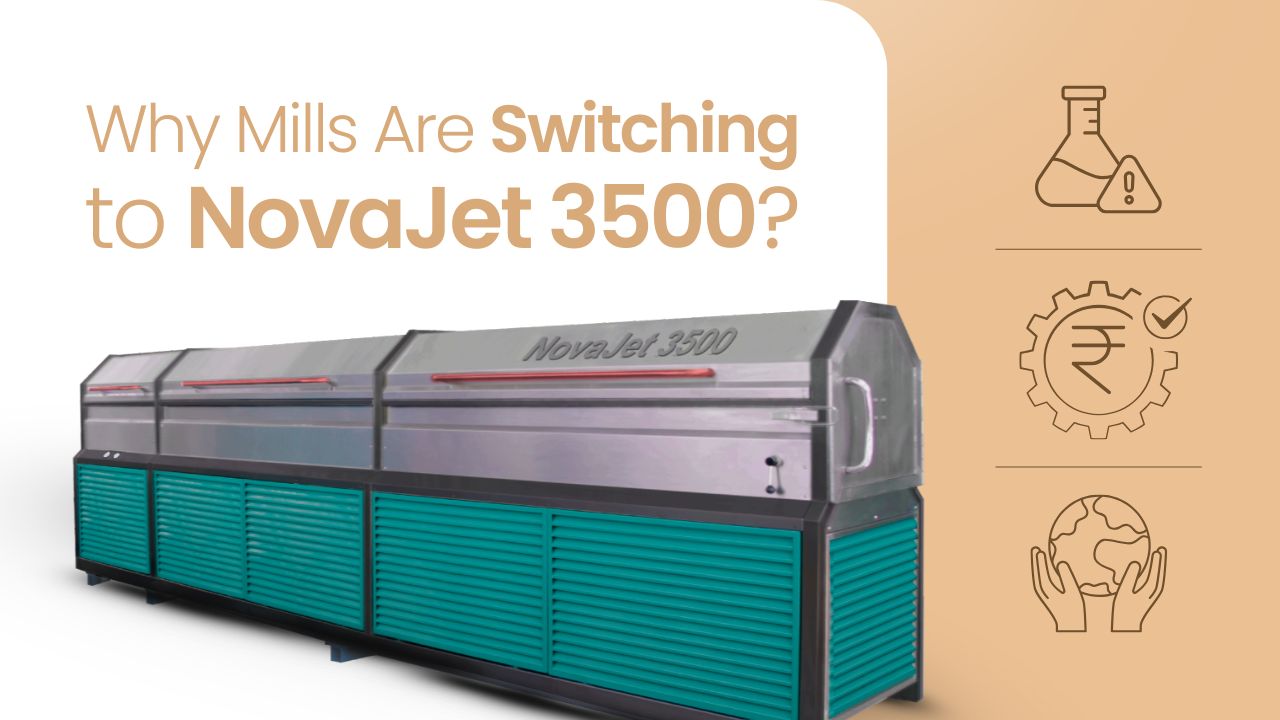
The NovaJet 3500 replaces this entire chemical process with ultra-high-pressure water jets inside a closed machine.
In simple terms:
Instead of dipping the screen in acid, NovaJet 3500 sprays very fine, very fast water jets on the rotating screen to remove the emulsion.
There is no chemical stripping bath involved.
What Changes for Your Mill
- No mixing or handling of corrosive acids
- No chemical fumes in the stripping area
- No risk of acid splashes on skin or eyes
- No cancer-causing mixtures to store or dispose
Your stripping area becomes more like a machine zone with water, not a mini chemical plant.
Side-by-Side: Chemicals vs NovaJet 3500 (Plain Comparison)
1.Safety
- Chemical method:
- High risk (fumes, burns, long-term health impact)
- Heavy dependence on safety gear and strict handling
- NovaJet 3500:
- No hazardous stripping chemicals
- Cleaner, safer working environment for operators
2.Screen Life
- Chemical method:
- Gradual corrosion of nickel
- Screens weaken and fail sooner
- NovaJet 3500:
- Focuses the force on the emulsion layer
- Screen metal is not eaten away by acid
- More reuse per screen, lower replacement cost
3.Environment & Compliance
- Chemical method:
- Difficult effluent management
- Higher risk during audits and buyer visits
- NovaJet 3500:
- Water-based process
- Easier to explain and justify to brands and auditors
- Supports your sustainability story
4.Daily Operations
- Chemical method:
- Time spent mixing, checking and replacing baths
- Extra care for storage, leaks and spills
- NovaJet 3500:
- Enclosed machine with set parameters
- Operators focus on loading, starting, unloading
- Cleaner, more predictable workflow
Why Mills Are Choosing to Switch
Mills that move from acids to NovaJet-style water stripping usually do it for a combination of reasons:
- They want a safer workplace for their people
- They want to reuse screens more times
- They want to simplify effluent treatment and audits
- They want to be ready for strict buyer and government norms
- They want a process that is consistent and repeatable, not dependent on how someone mixed a chemical bath that day
In short, NovaJet 3500 helps mills:
Reduce risk, reduce waste and reduce hidden costs – while keeping screen recycling fast and reliable.
What’s Coming Next in This Series
This was Part 2: From Harsh Chemicals to Pure Water – Why Mills Are Switching to NovaJet 3500.
In Part 3, we’ll open the machine and explain:
“How the NovaJet 3500 Works – Explained in Simple Language”
We’ll walk through the basic journey of water inside the machine and introduce the main parts (engine, heart, hand, brain) in non-technical terms, so your team can easily understand what is happening inside.